
The Concept of Luck in Gambling
Luck is often viewed as an elusive force, playing a critical role in various aspects of our lives, including gambling. In casinos, players frequently attribute their wins or losses to luck, suggesting that external factors can sway the outcome of a game. This belief can be particularly potent in games of chance, such as slots or roulette, where the outcome is predominantly random. Many enthusiasts enjoy exploring options at nz casino online to experience the thrill of chance, as players often feel that their fortunes can shift at any moment.
However, the concept of luck is much more nuanced when examined in the context of probability and statistics. Each game in a casino operates under specific odds that dictate the likelihood of winning. While a player’s emotional state might influence their perception of luck, the reality is that every spin of a slot machine or roll of the dice is driven by mathematical principles. Understanding these principles is essential for players who wish to differentiate between mere chance and skill, as this awareness can reshape their overall experience at the casino.
The psychological element of believing in luck cannot be underestimated. Players who feel lucky may approach games with a more positive mindset, which can improve their enjoyment and risk tolerance. This phenomenon is often referred to as the “gambler’s fallacy,” where individuals believe that previous outcomes can influence future results. For instance, someone might feel that a winning streak grants them an invincible aura, ultimately enhancing their overall experience regardless of the actual odds stacked against them.
The Role of Strategy in Casino Games
While luck is undeniably a factor in gambling, strategy also plays a vital role in shaping a player’s experience. Many casino games, particularly table games like poker and blackjack, involve skill and decision-making that can significantly influence the outcome. Understanding game dynamics, betting strategies, and opponent behavior can tip the scales in favor of a skilled player, demonstrating that applying a methodical approach can sometimes counterbalance the role of luck. The interplay between skill and chance creates a fascinating landscape for gamblers seeking to maximize their chances of success.
For example, in blackjack, players have the option to use strategies like card counting, which can provide a statistical advantage. This skill-based method provides a sense of control in an environment often seen as erratic or luck-driven. Additionally, being familiar with the rules and best practices of various games can help players navigate their choices more effectively, ultimately impacting their overall experience within the casino. Skillful play combined with the unpredictable nature of luck can make for a thrilling gaming session.
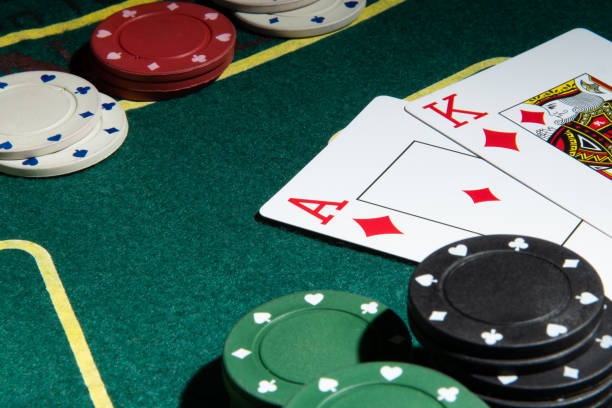
Moreover, the psychological aspect of using strategy can empower players. Knowing that they have a solid plan can enhance their confidence and enjoyment, leading to a more rewarding experience overall. While luck may bring unexpected windfalls, strategic thinking can help foster a deeper understanding of the games, ensuring players are not solely reliant on chance. This balance allows for an engaging experience, where players can enjoy the thrill of gaming while also feeling a sense of agency over their choices.
The Influence of Environment on Perceived Luck
The casino environment itself can greatly affect a player’s perception of luck and performance. Factors such as lighting, sounds, and the presence of other players contribute to the overall atmosphere, which can heighten emotional responses. For instance, vibrant colors and celebratory sounds in a busy casino can create an exhilarating feeling of likelihood and excitement. This charged environment can trick the mind into thinking that luck is on one’s side, potentially impacting betting behavior and decision-making.
This phenomenon can also relate to the concept of “hot” and “cold” machines or tables in a casino. Players often believe in patterns, attributing luck to specific machines after experiencing a win. This belief can alter their playing strategy, as they may allocate more time and resources to these perceived lucky spots, regardless of statistical evidence. Such beliefs are deeply rooted in the psychological components of gambling, where memories and expectations can shape future behavior and overall experience.
Furthermore, social interactions at the casino play a crucial role in how luck is perceived. Sharing experiences with fellow players can bolster feelings of camaraderie and collective luck. Celebrating wins together can create a sense of shared fortune, enhancing the overall experience. Conversely, players might find themselves feeling unlucky if they are surrounded by a negative atmosphere. This interplay between environment, social dynamics, and perceived luck can shape deeper emotional connections to the casino experience itself.
Luck vs. Skill: Finding the Balance
The ongoing debate of luck versus skill in casino games is a complex one, and many players fall somewhere in between the two. While games that rely heavily on chance can be thrilling for their unpredictability, those that allow for skill-based strategies can provide a different kind of satisfaction. Finding a balance between enjoying the randomness of luck and engaging in strategy can enhance a player’s overall experience. Those who embrace both aspects often return for the excitement and challenge they provide.
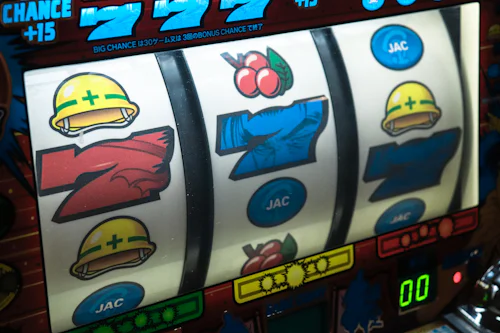
This duality also impacts how players react to losses. Those who lean heavily on luck may become frustrated after a losing streak, feeling powerless to change their situation. In contrast, players who apply skill and strategy can evaluate their performance, adjusting their tactics as needed. This ability to adapt not only cultivates a more fulfilling gaming experience but also allows players to view losses as learning opportunities rather than mere misfortunes driven by luck.
Ultimately, the balance between luck and skill is reflective of a broader perspective on gambling as a form of entertainment. Understanding that both elements coexist allows players to enjoy the thrill of risk while also feeling empowered by their decisions. This understanding paves the way for a more enriching casino experience, where players can appreciate the nuances of the games while remaining open to the unexpected twists that luck can bring.
Enhancing Your Casino Experience
To truly enjoy the complexities of casino gaming, players should take the time to enhance their overall experience. This begins with understanding both the games they choose to play and the psychological elements at play within the casino environment. Familiarizing oneself with the rules, strategies, and odds will not only build confidence but also equip players with the knowledge needed to navigate the games more effectively. This foundational understanding can lead to a more satisfying and rewarding experience.
Additionally, setting personal limits and managing bankroll can significantly elevate a player’s experience. Recognizing when to walk away, regardless of whether luck seems favorable or unfavorable, is essential in maintaining a healthy relationship with gambling. Players who establish boundaries often find they enjoy the gaming experience far more than those who become overly absorbed in chasing losses or relying solely on lucky streaks.
Lastly, cultivating a social aspect while gambling can amplify enjoyment. Sharing experiences with friends or fellow players can create a more dynamic atmosphere, enriching the experience beyond the mere act of playing. This social interaction can foster a sense of community, enhancing the thrill of the game and encouraging players to celebrate their wins, regardless of luck’s role in the outcome.
Recent Comments